You vibe coded it.
We'll make it production-ready.
You proved the idea in Lovable, Replit, Bolt or Cursor, and people are using it. Now it needs to hold up with real users, real money and real load. We take your prototype as the spec and rebuild it on solid architecture and infrastructure, so it scales, stays secure and stops breaking.
Tell us what you built
A link to the app and a sentence on what it does is enough. We'll reply within a working day.
No obligation. We'll respond within 24 hours.
"The speed and quality of delivery was genuinely impressive. I can't recommend Launch Assembly highly enough."
Max Gorvel · Founder, Wellplay
The prototype was the easy part.
Making it something people can rely on is the work.
AI builders are extraordinary at getting to a working demo. They're much worse at the parts you can't see. Data models that survive a second feature, auth that actually locks things down, background jobs, error handling, backups, monitoring. That's the gap between "it works on my laptop" and "it runs the business", and it's the gap we close.
Apps built on one popular AI builder found leaking user data in a 2025 scan of 1,645 of them. Usually an open database policy the founder never knew was there.
Of the finished codebase is yours. Rebuilt on a stack we've run in production for years, deployable wherever you like, with no platform you can never leave.
Four things founders do when the prototype starts creaking.
Three of them buy time.
Keep prompting
- Each fix breaks something else
- No tests, so users find the bugs first
- The AI can't hold the whole app in its head anymore
A security audit
- Tells you what's wrong, then stops
- Every fix still lands on the shaky foundation
- Good for a report, not for a launch
A hardening sprint
- Patches the worst of it in place
- Same data model, same architecture
- You're back here in 3 months
A proper cleanup
- Your prototype becomes the spec
- Rebuilt on architecture made for growth
- Holds up with real users and real money
Your prototype already answered the hard question (does anyone want this?). The cleanup answers the next one (can it be trusted?).
We keep what the prototype got right and rebuild everything underneath it.
The screens, the flows and the product decisions you validated with real users all carry over. The data model, the backend, the auth, the hosting and the tests get rebuilt properly, on a stack we've run in production for years. Refactoring AI-generated code line by line costs about as much and leaves you standing on the same foundation, so we don't.
What we keep
- Every screen and flow your users already know
- The product decisions you validated
- Your users, data, files and subscriptions, migrated across
- Your domain, your brand, and the integrations that already work
What we replace
- The data model and the database
- Authentication and permissions, enforced on the server
- The backend, background jobs and error handling
- Hosting, deploys, backups and monitoring
- Tests around the flows that make you money
What production-ready actually means.
A short list of things every cleanup ships with. If a rebuild can't tick all of these, it isn't finished.
Your prototype is the spec
Every screen, flow and product decision you validated carries over. We read the codebase, map what it does (including the parts you forgot you prompted in) and confirm the list with you before a line gets written.
Real architecture underneath
A proper data model with database constraints, server-side authorisation, background jobs, transactional email and error handling that fails safely. The things AI builders skip because a demo doesn't need them.
Security you don't have to think about
No secrets in the browser, no open database policies, no permission checks that only live in the front end. Rate limiting, audit trails and a dependency audit on every deploy.
Infrastructure that scales without you
Managed Postgres with backups, a queue for anything slow, monitoring and alerts, and a deploy pipeline that runs the tests before anything goes live. When traffic spikes, it's already handled.
Tests, so the next change doesn't break the last one
A real test suite around the flows that make you money. You, your next developer, or the AI can change things with confidence.
Yours outright, fixed price
You own all the code, deployable anywhere. Priced against the scope, so you know the number before you sign. Senior onshore engineers, same hours, same jurisdiction.
Real software, shipped.
The engineering we bring to every cleanup, running live right now. Click any to see for yourself.
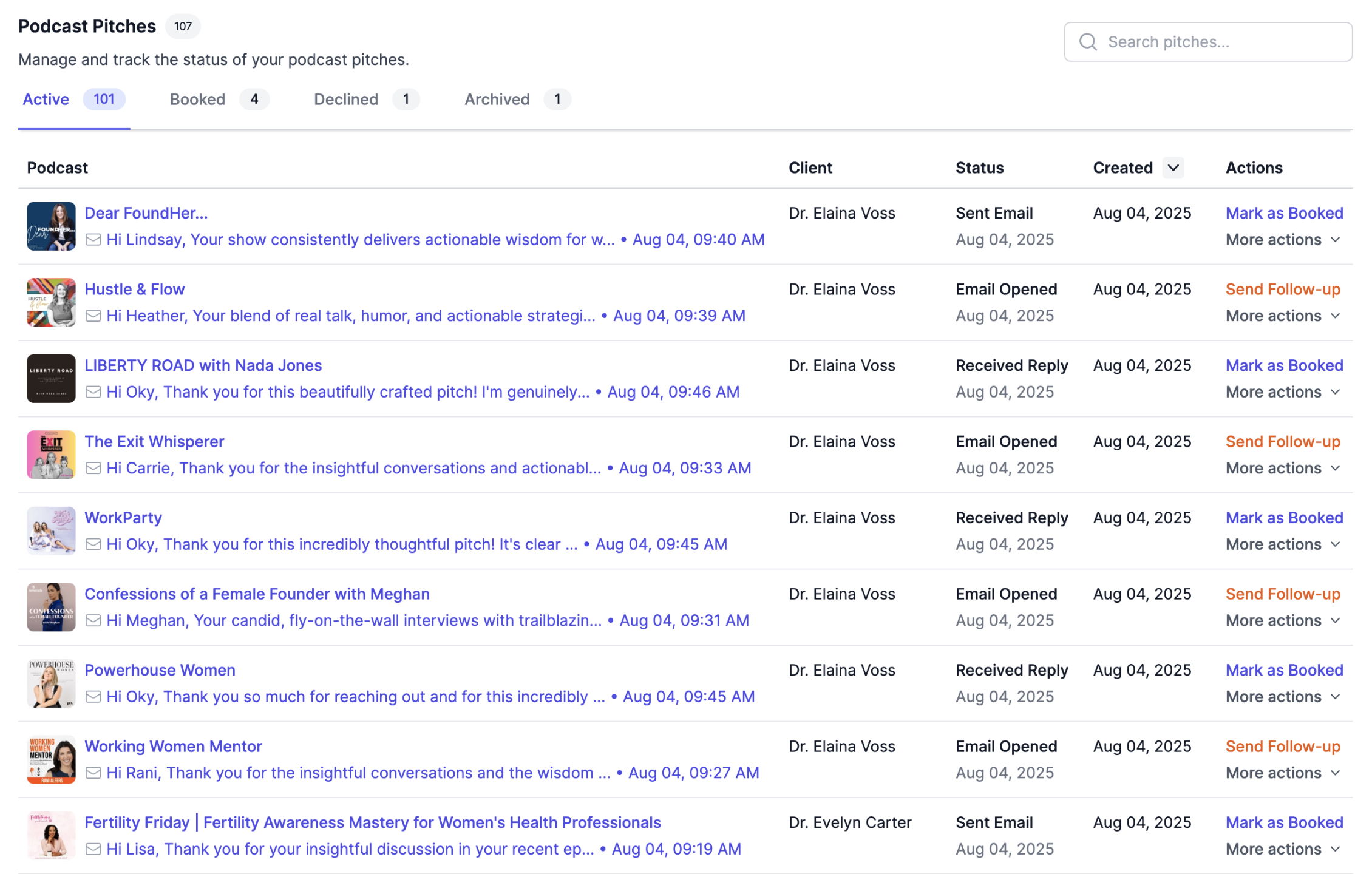
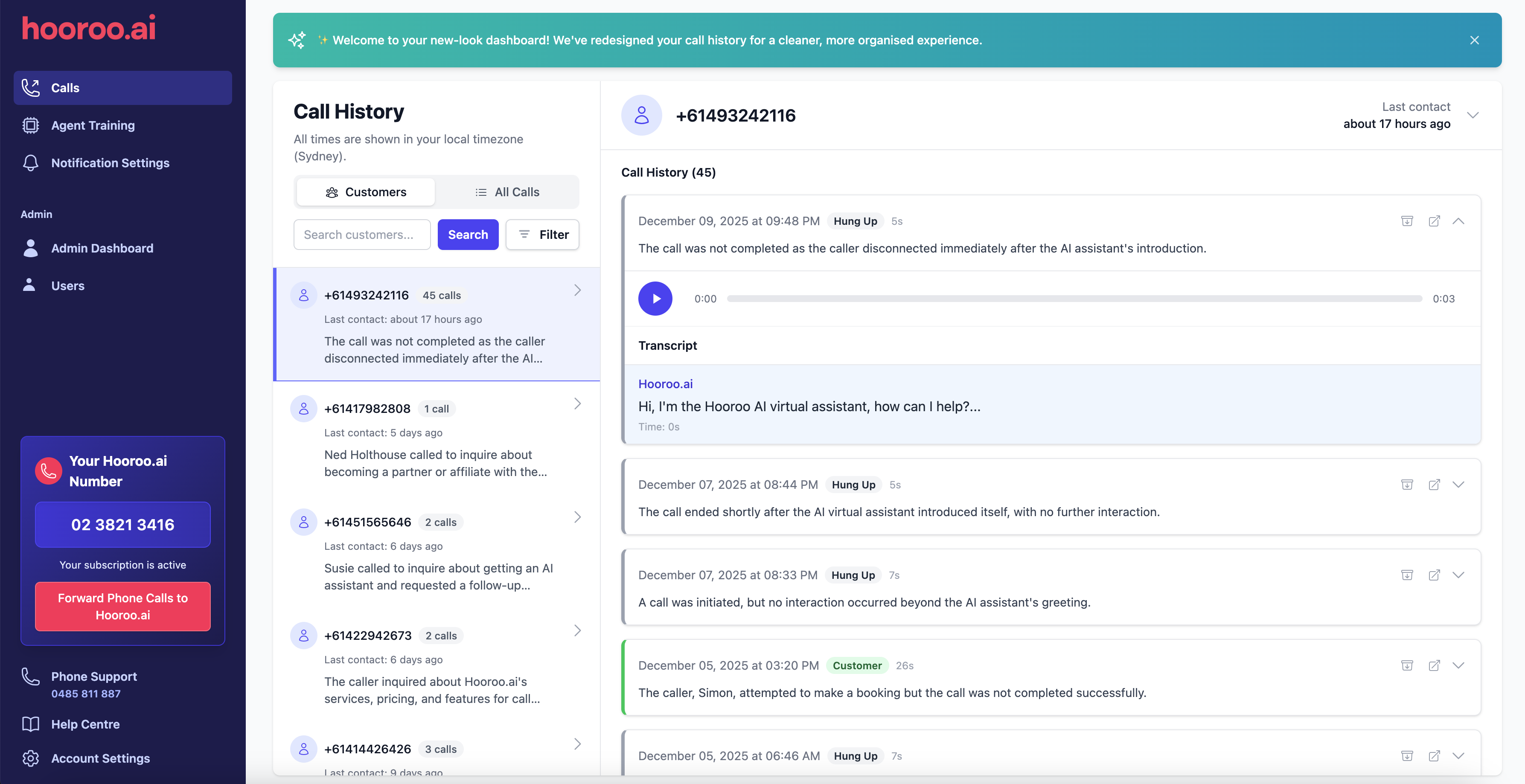
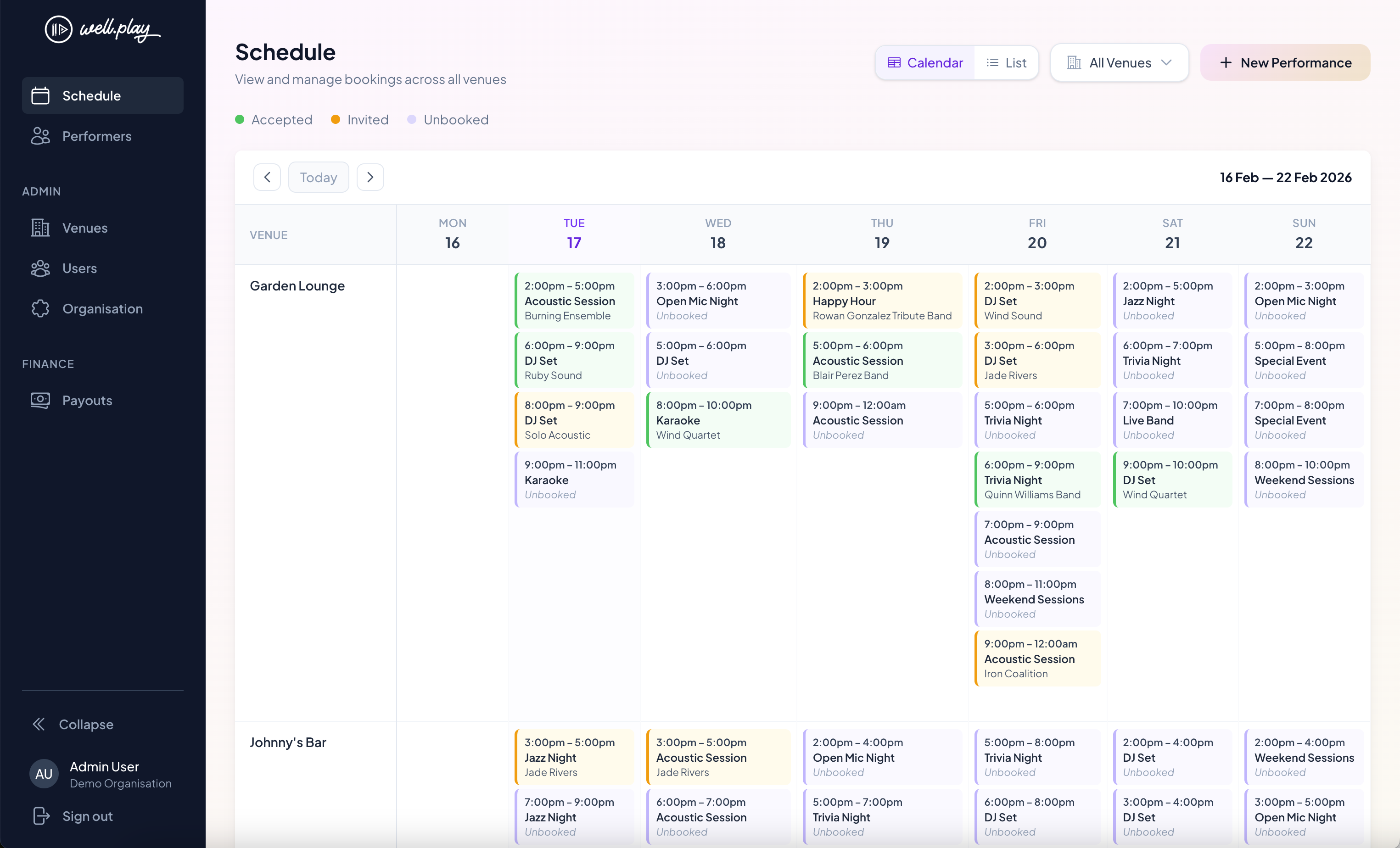
If people are relying on something you prompted into existence, we should talk.
→Founders with paying users on a prototype
It works, mostly. Every new feature breaks an old one and you're one bad day from a data leak. It needs rebuilding before the next 100 customers, without pausing the business.
→Founders raising, or about to
Technical due diligence means someone reads the codebase. A vibe coded backend is a hard conversation. A production-grade one is a slide.
→Businesses whose internal tool stuck
Someone in ops built it in Lovable over a weekend and now the whole team depends on it. Time to make it something you'd let IT sign off on.
→Agencies and product teams with a prototype to hand over
You validated the concept with the client. We rebuild it properly so you hand over something you'd put your name on.
How a cleanup runs.
-
01
Prototype review
Send us the link and repo access. We read the codebase, map every screen and flow, and write down what it does today. You get a fixed scope and a fixed price, usually within a week.
-
02
Architecture and data model
We design the foundation the prototype never had. Data model, permissions, integrations, infrastructure. You approve the plan before code gets written.
-
03
Rebuild in the open
We build on a live URL from week one, with your real data migrated across. You click through it as it takes shape. Your prototype keeps running the whole time.
-
04
Migrate and switch over
Users, data, domain and payments move across in a planned cutover. The new app runs alongside the old one until you're confident, and nobody has to re-register.
-
05
Launch, then keep it that way
Monitoring, alerts and a deploy pipeline are live before we call it done. Bug fixes for what we built are included. Same team when you want the next feature.
What happens once it's live.
A cleanup is only worth doing if the app stays clean. We build for that.
Bug fixes included
If something we built breaks, we fix it. Built into every cleanup, no separate line item.
Keep vibe coding, safely
Want to keep building features yourself with AI tools? The rebuilt codebase has conventions, tests and a deploy pipeline that catch mistakes before your users do. We'll show you how to work in it.
Next features, same team
When you're ready for the next thing, we already know the codebase. No onboarding tax, no re-learning your product.

Hey, I'm Simon.
I've spent years building, launching and scaling software, including multiple products from the ground up. One scaled to 1000+ users and exited.
I use AI coding tools every day. Getting a working prototype in front of real users in a weekend is a genuine achievement, and it's the hardest part of starting anything. What those tools skip is the invisible half: the data model, the security, the infrastructure, the tests. That's the half I've spent my career on.
Bring me the prototype and we'll turn it into something you can build a business on. Onshore, fixed scope, real engineering.
Common questions.
Tell us what you built
and we'll tell you what it'll take.
A link and a sentence is enough. We'll reply within a working day with a plan and a number.
Tell us what you built
A link to the app and a sentence on what it does is enough. We'll reply within a working day.
No obligation. We'll respond within 24 hours.